

The International Energy Agency (IEA) calls it the new “Age of Electricity.” Global electricity demand is climbing, and this time the rise is steady, broad, and tied to how societies are changing: more industry, more digital infrastructure, and more electrification in every aspect of life.
This is a new force that didn’t exist at this scale even five years ago. By 2027, electricity use is projected to rise nearly 4% per year, adding the equivalent of Japan’s annual consumption. Emerging economies account for about 85% of this growth as they accelerate manufacturing and build new technology systems.

AI Enters the Energy Equation
AI has moved from niche research to a major economic force. Since 2022, leading AI-related U.S. companies have added USD 12 trillion in market value. Behind this surge is a single, uncompromising requirement: electricity.
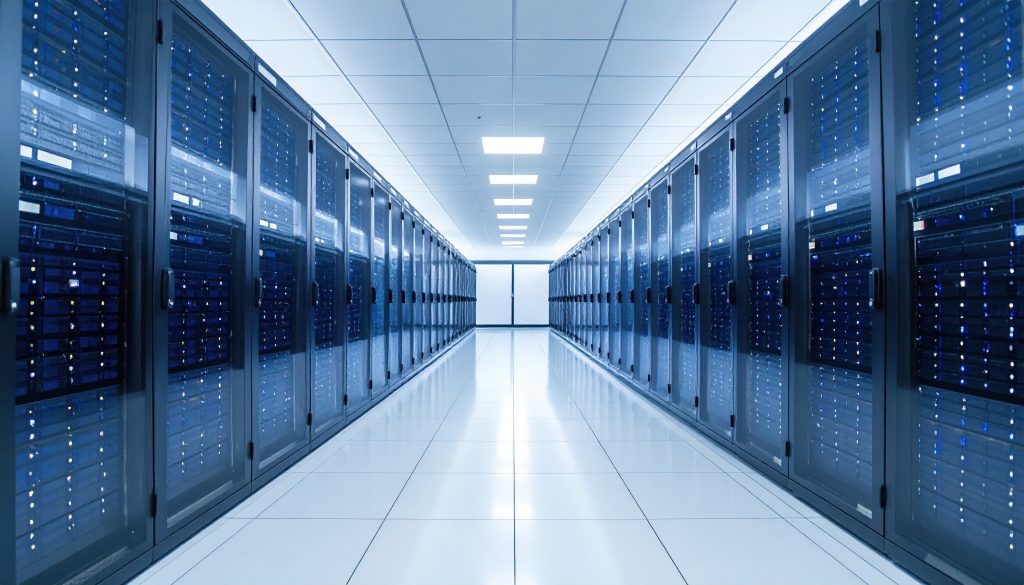
AI runs on massive, energy-intensive data centers. A single facility can consume as much electricity as 100,000 households, and the largest now being built may use 20 times more. Global data-center investment has nearly doubled since 2022, reaching USD 500 billion in 2024.
By 2030, AI data centers could consume 945 TWh. In several advanced economies, they already drive over 20% of demand growth this decade. Energy now sits at the core of AI’s expansion—and AI is starting to reshape the energy system in return.
Meeting Demand Will Require Many Sources
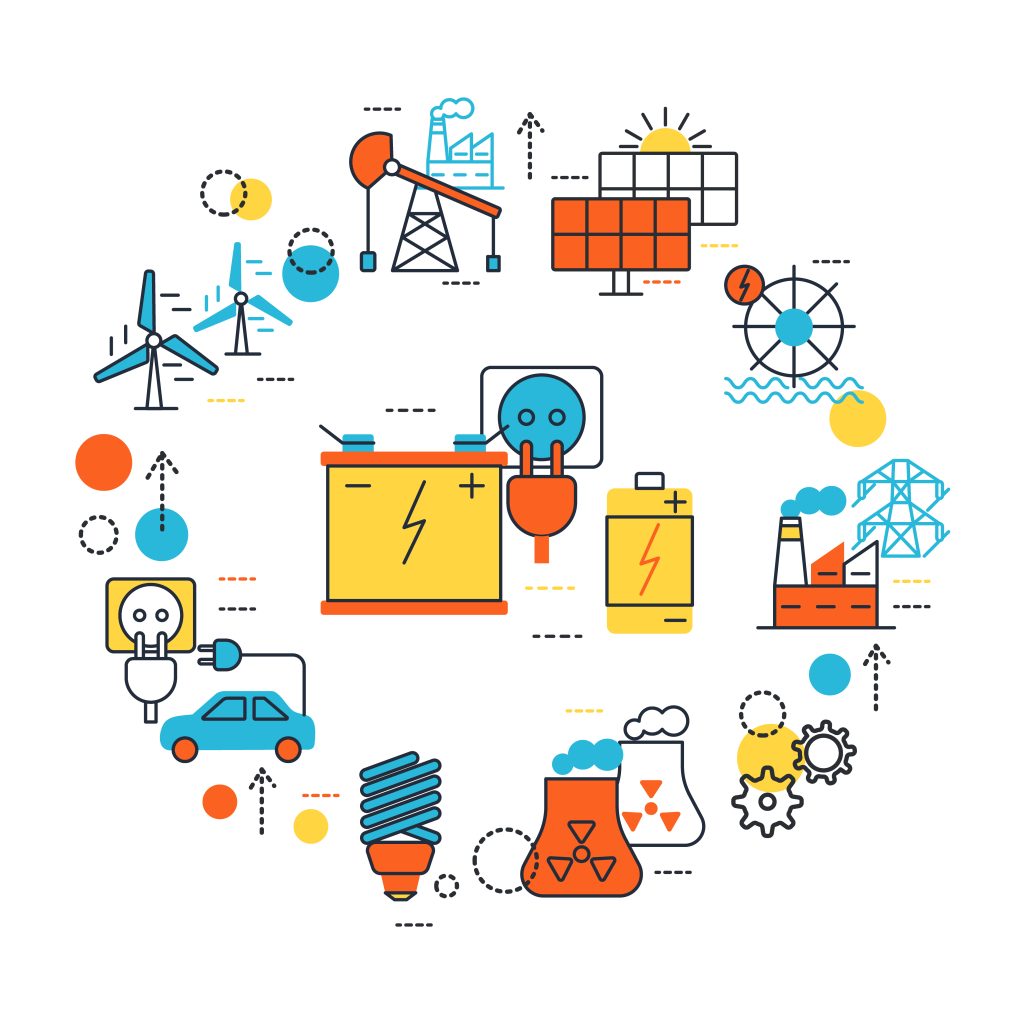
No single energy source can support this expansion, as the growth of AI is drawing electricity from every corner of the energy system. Renewables are expected to deliver about half of the extra power data centers will need, supported by storage, smarter grids, and rising corporate procurement. But dispatchable power will remain essential.
Simply put, AI is pushing the world toward a more electricity-hungry future, and meeting that demand means building a more resilient and diverse energy system.
Building Stability in a More Electric Economy
As electricity becomes the foundation of digital and industrial growth, reliability becomes the boundary for what’s possible. For semiconductor fabs, hyperscale data centers, and advanced manufacturers, even brief interruptions pose real operational risks. Power is no longer viewed as a basic utility, but as a strategic part of infrastructure planning.
This shift is reshaping Taiwan as well. With a strong position in science parks and long experience supporting semiconductor expansion, AMPOWER is well-placed to help facilities strengthen their energy resilience. The focus is moving past traditional standby systems toward customized primary-power solutions that keep critical operations stable as demand rises and the grid evolves.
Electricity is the defining resource of our time. Enterprises that secure dependable, adaptable power today will move confidently into tomorrow.