What happens when industry experience meets engineering education?
Where Engineering Knowledge Takes Shape
Engineering begins in the classroom and continues through experience. Over time, engineers learn to navigate system boundaries, handover moments, coordination across disciplines, and decisions that carry long-term responsibility.
As energy systems continue to expand in scope and complexity, this gap between academic preparation and industry practice becomes more visible. Closing it depends on direct exchange—on engineers explaining how their work is actually done.
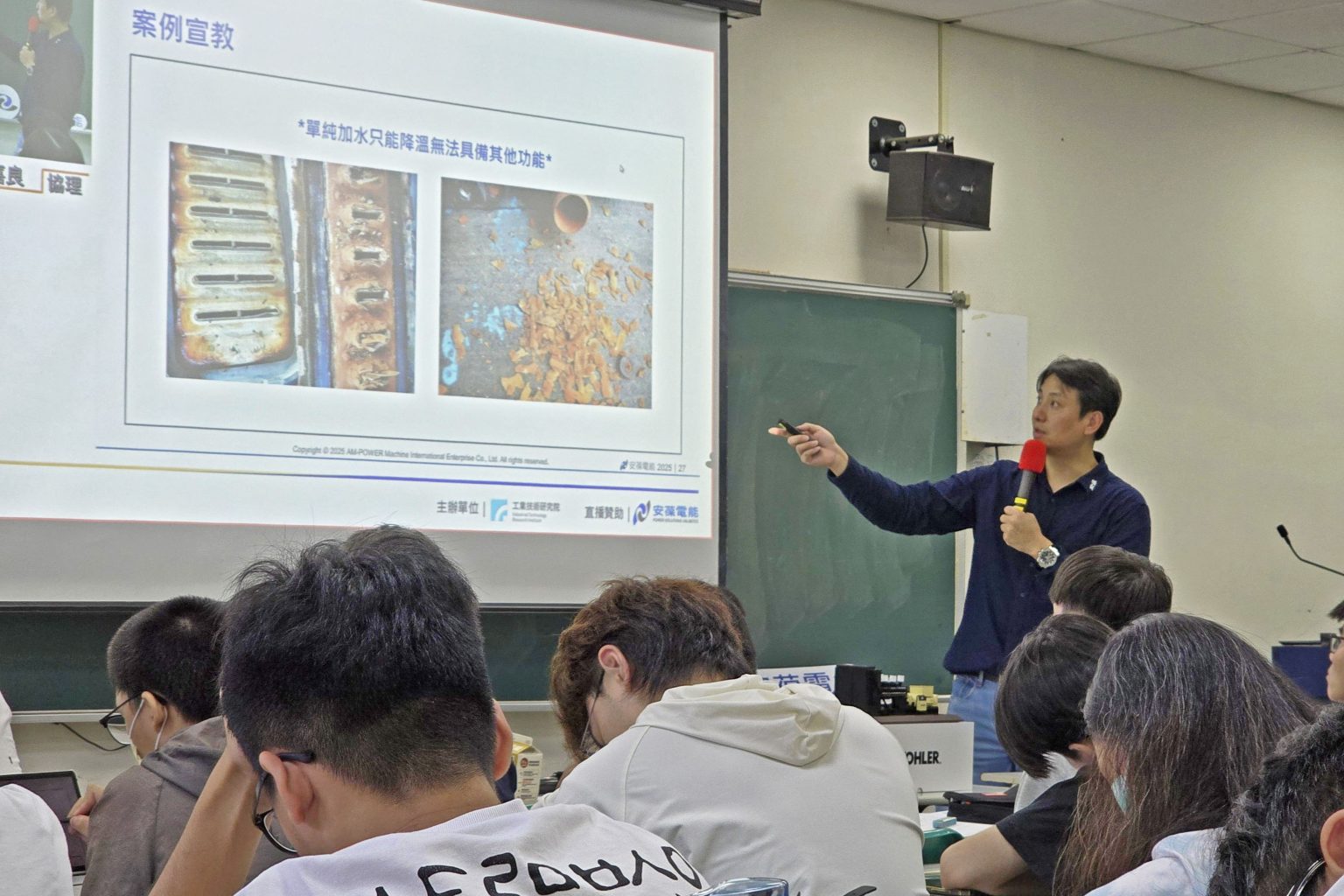
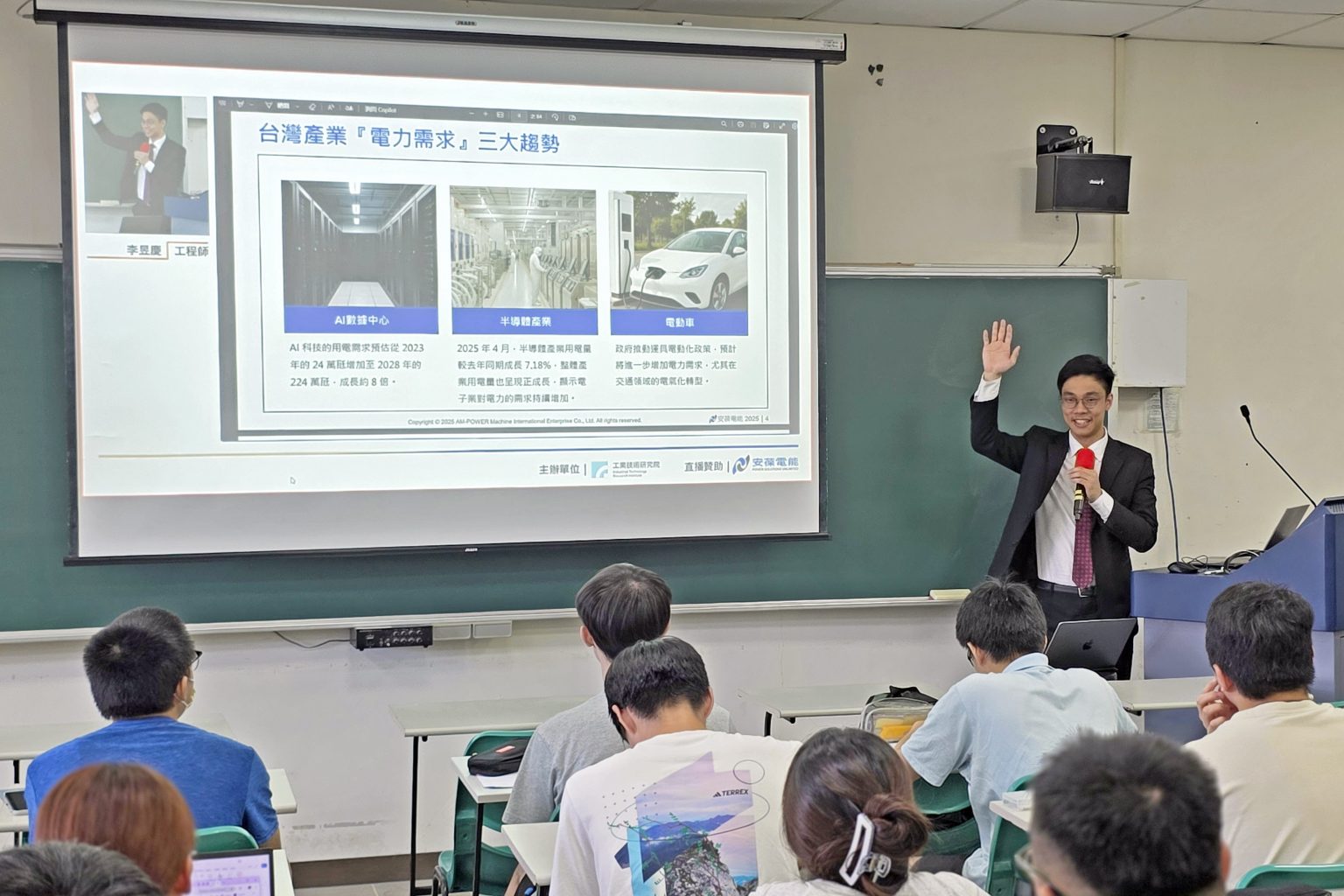
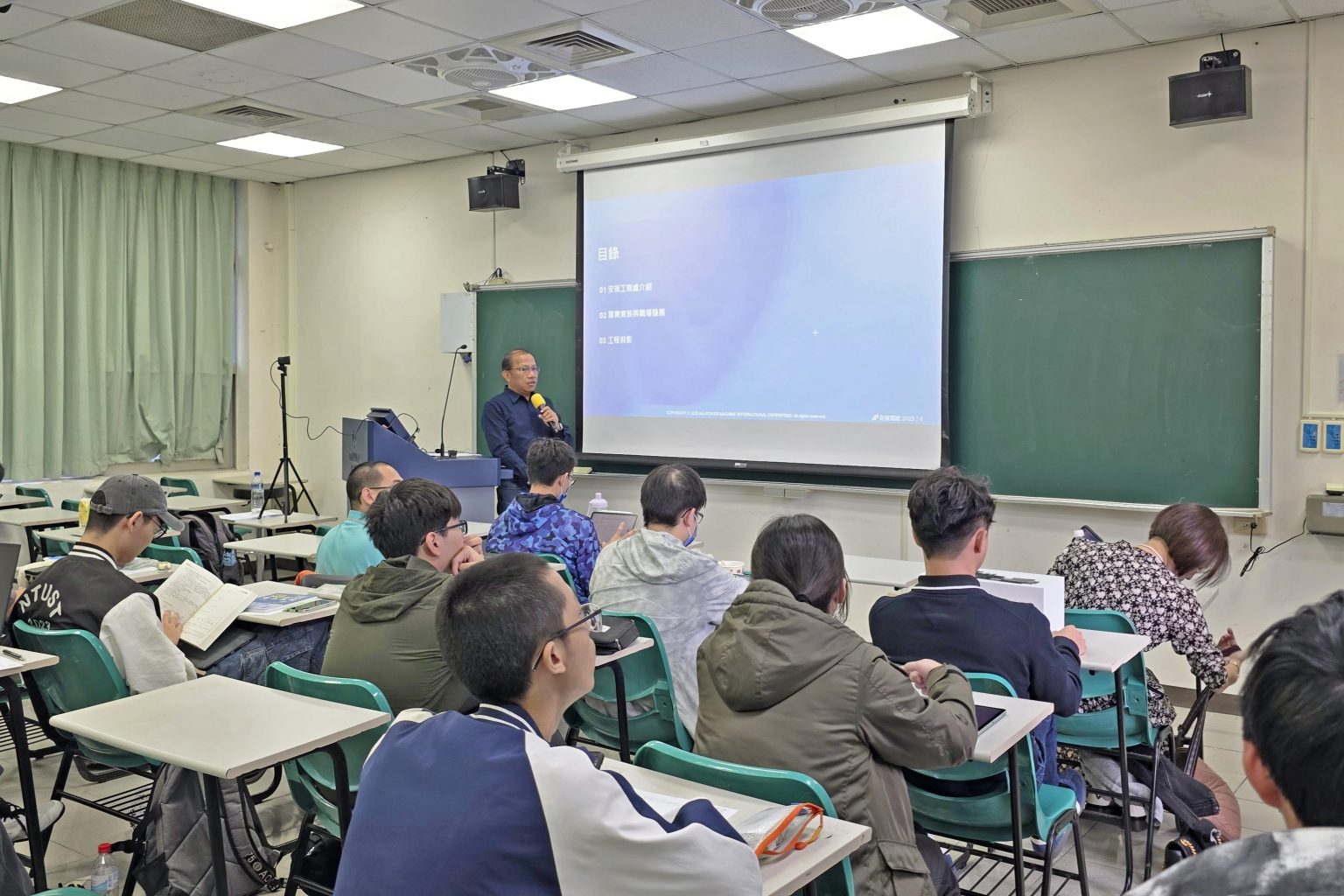
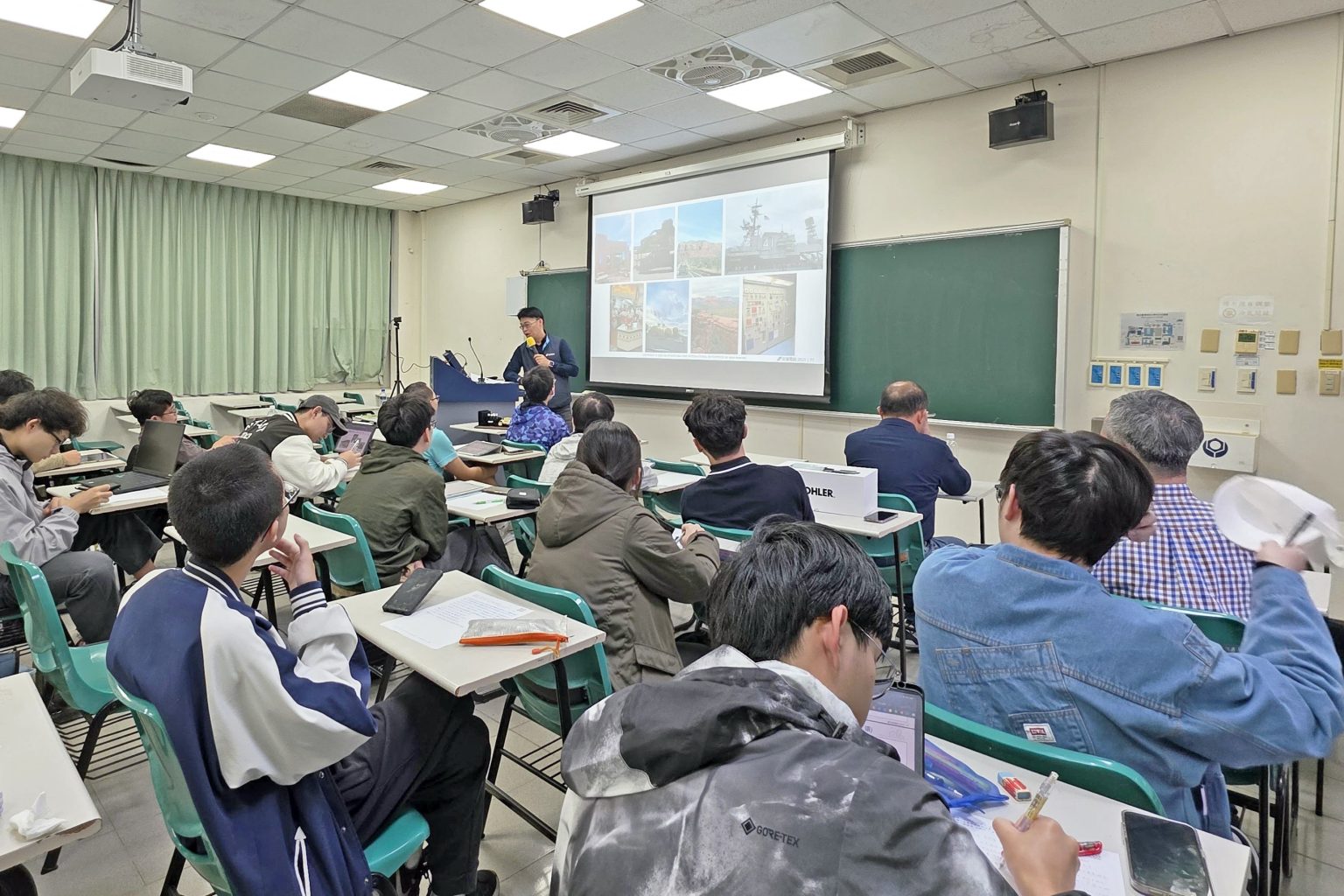
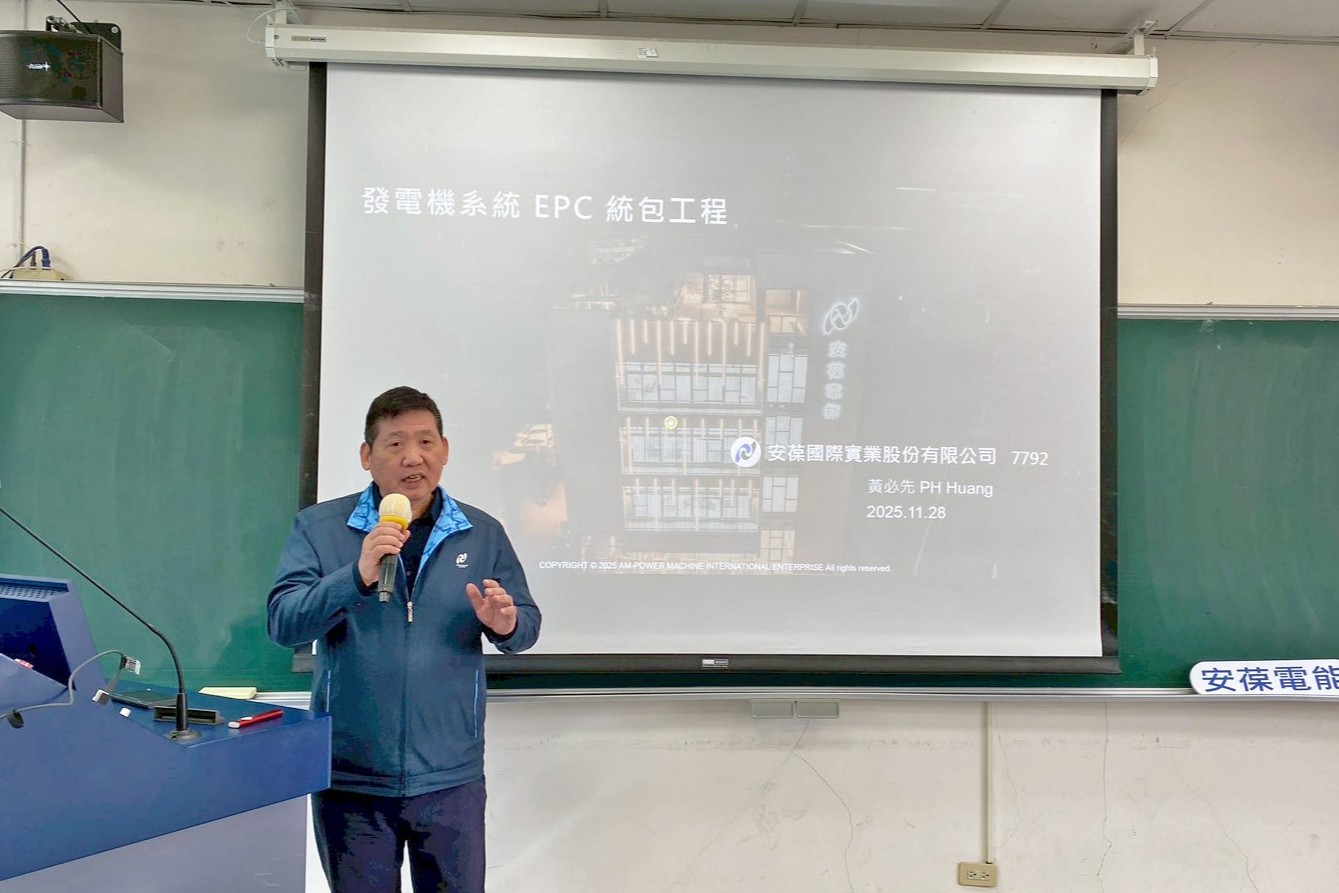
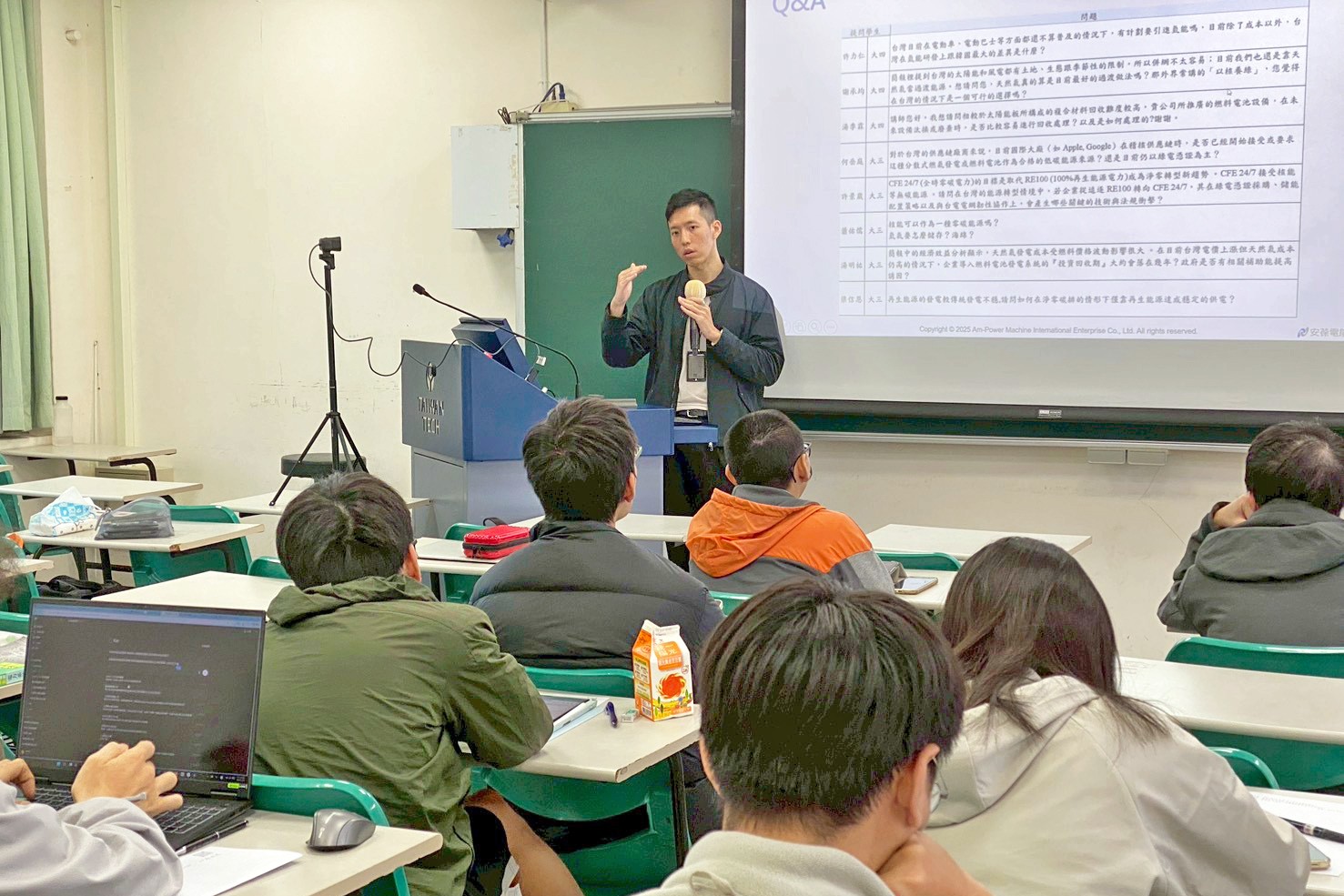
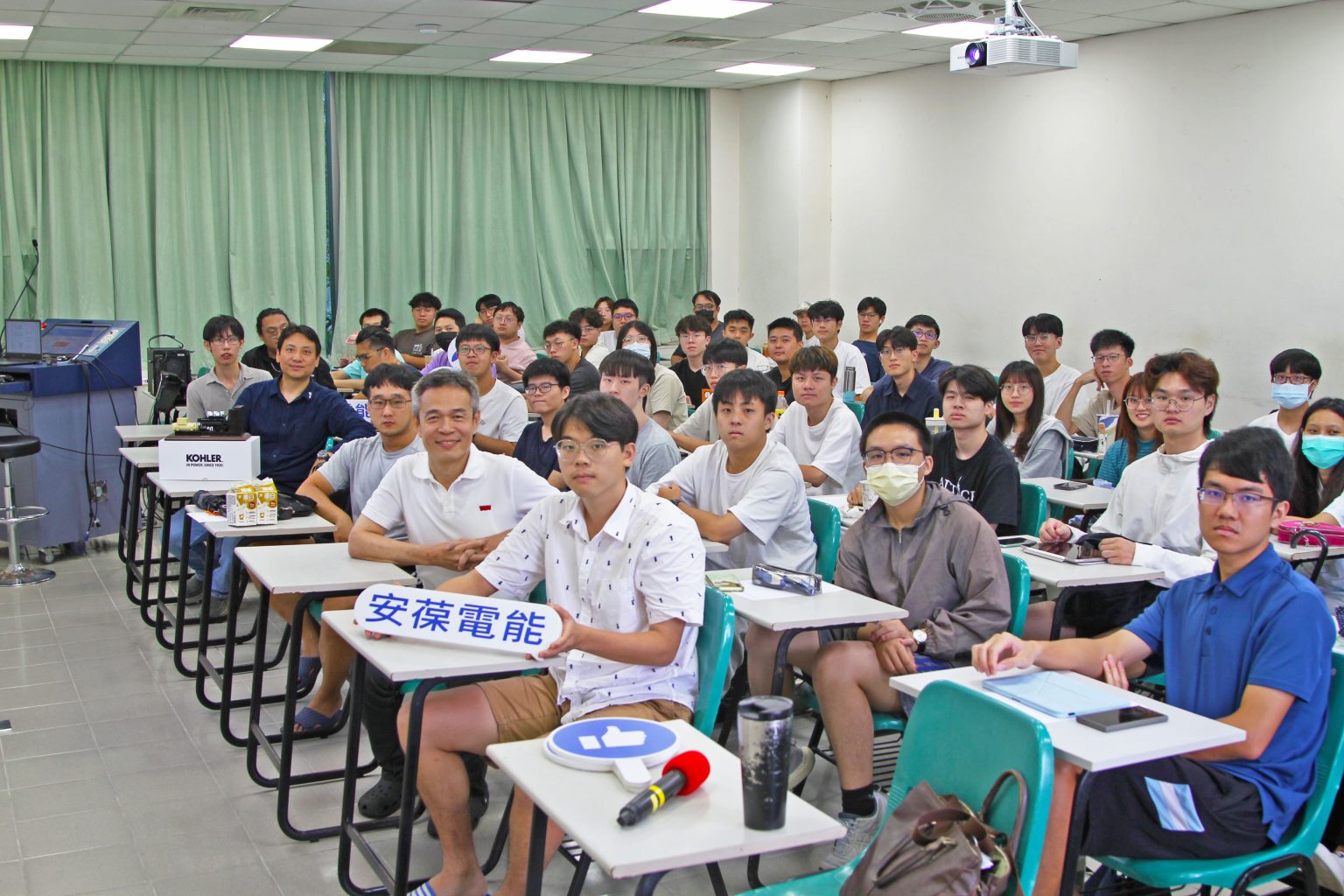
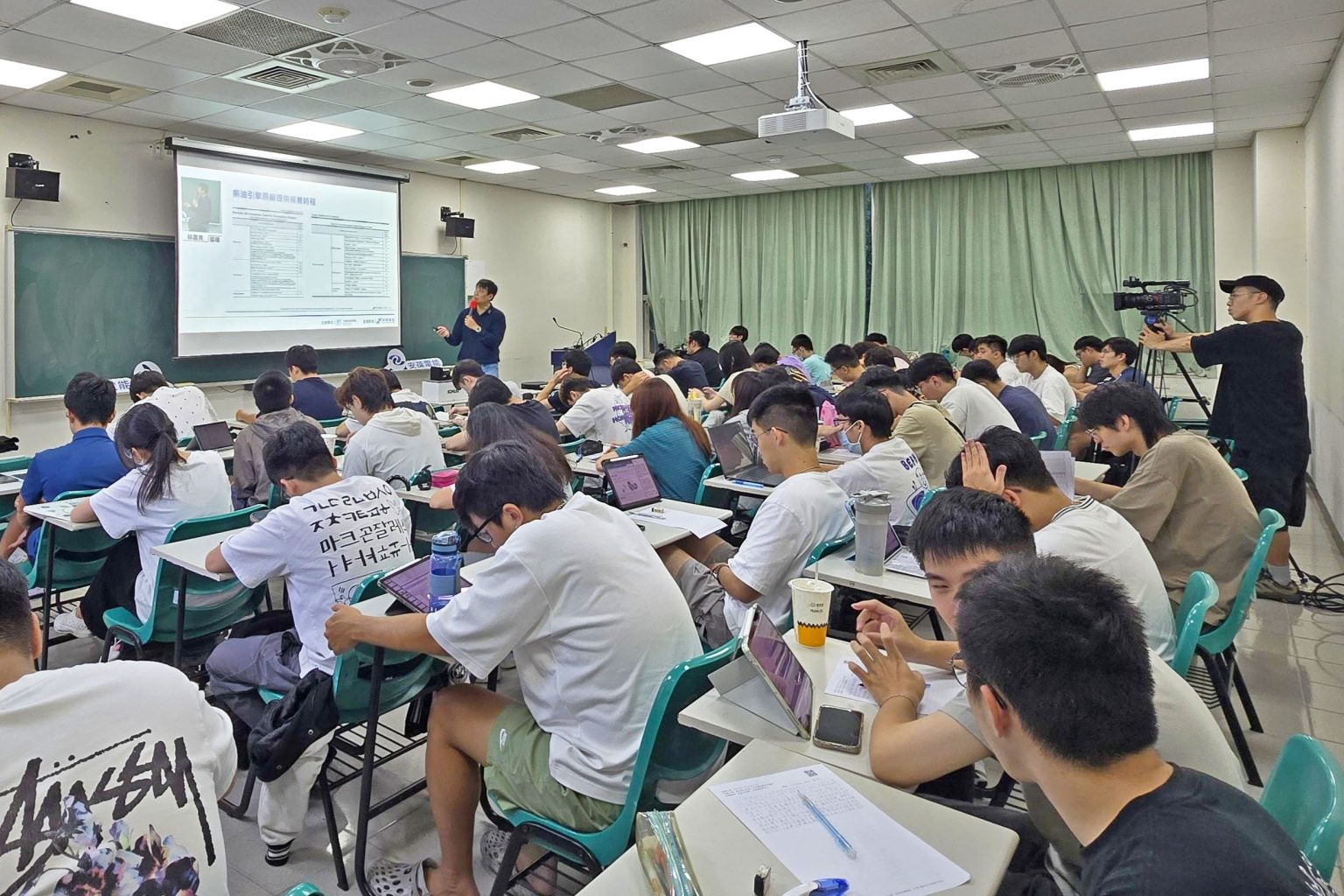
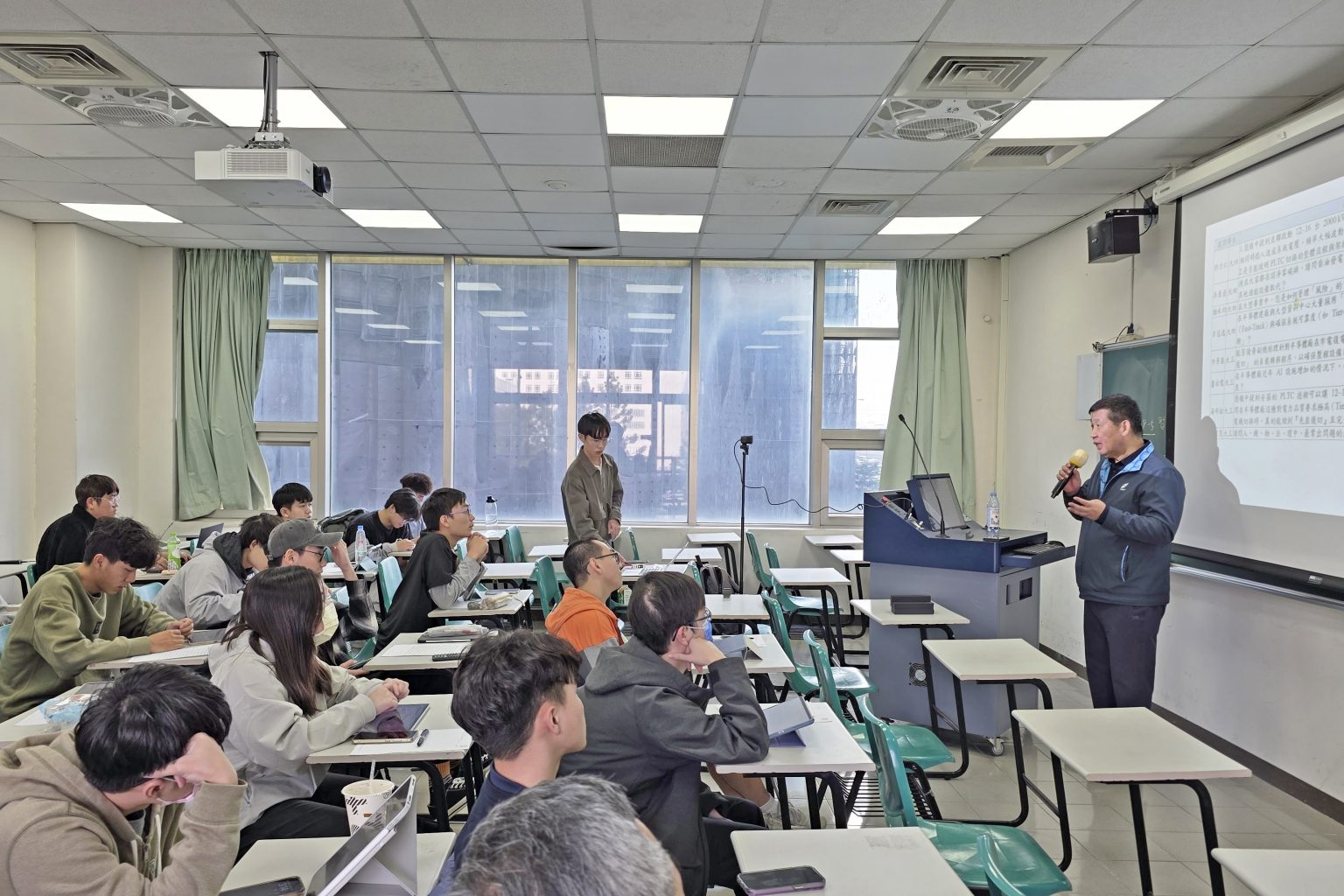
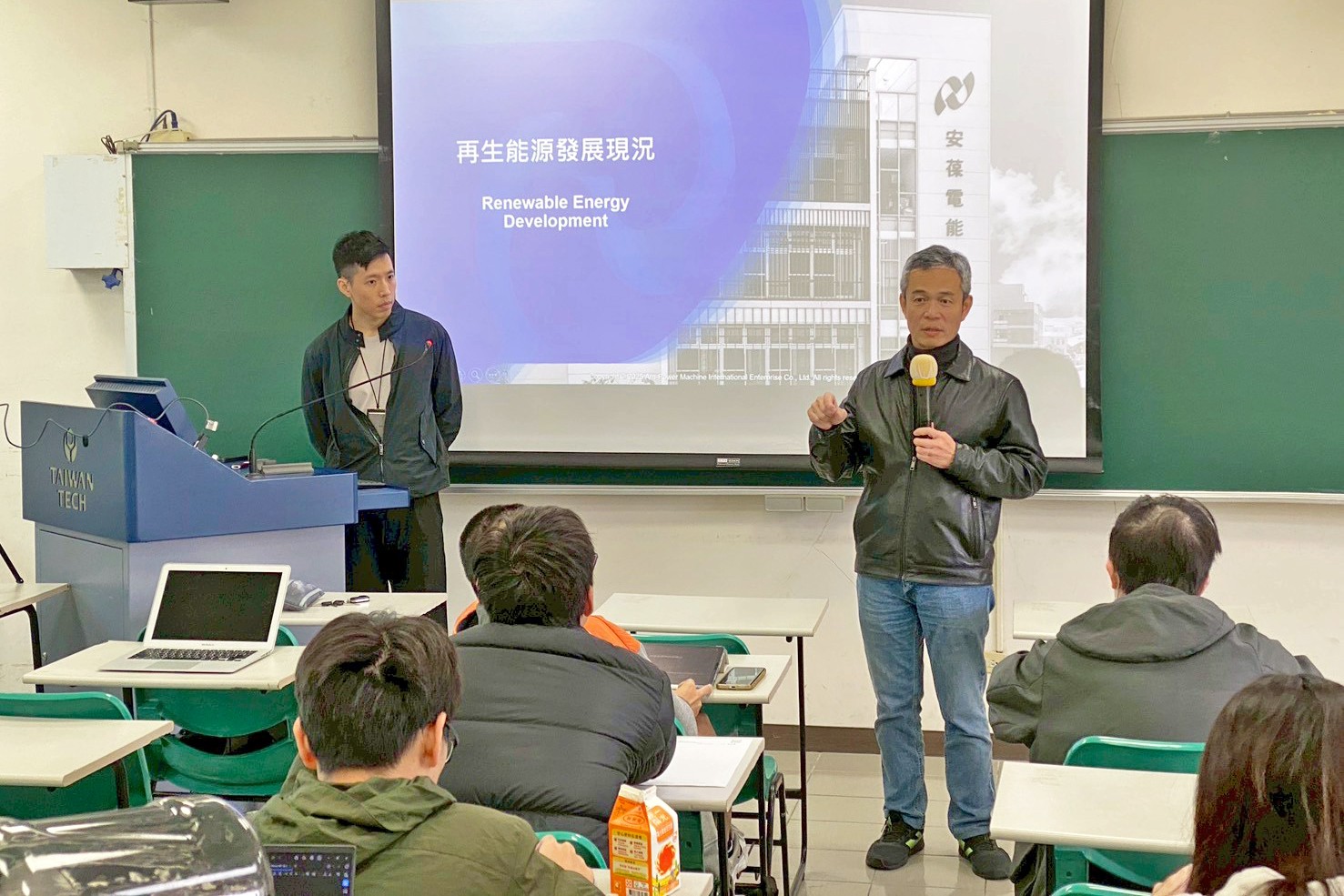
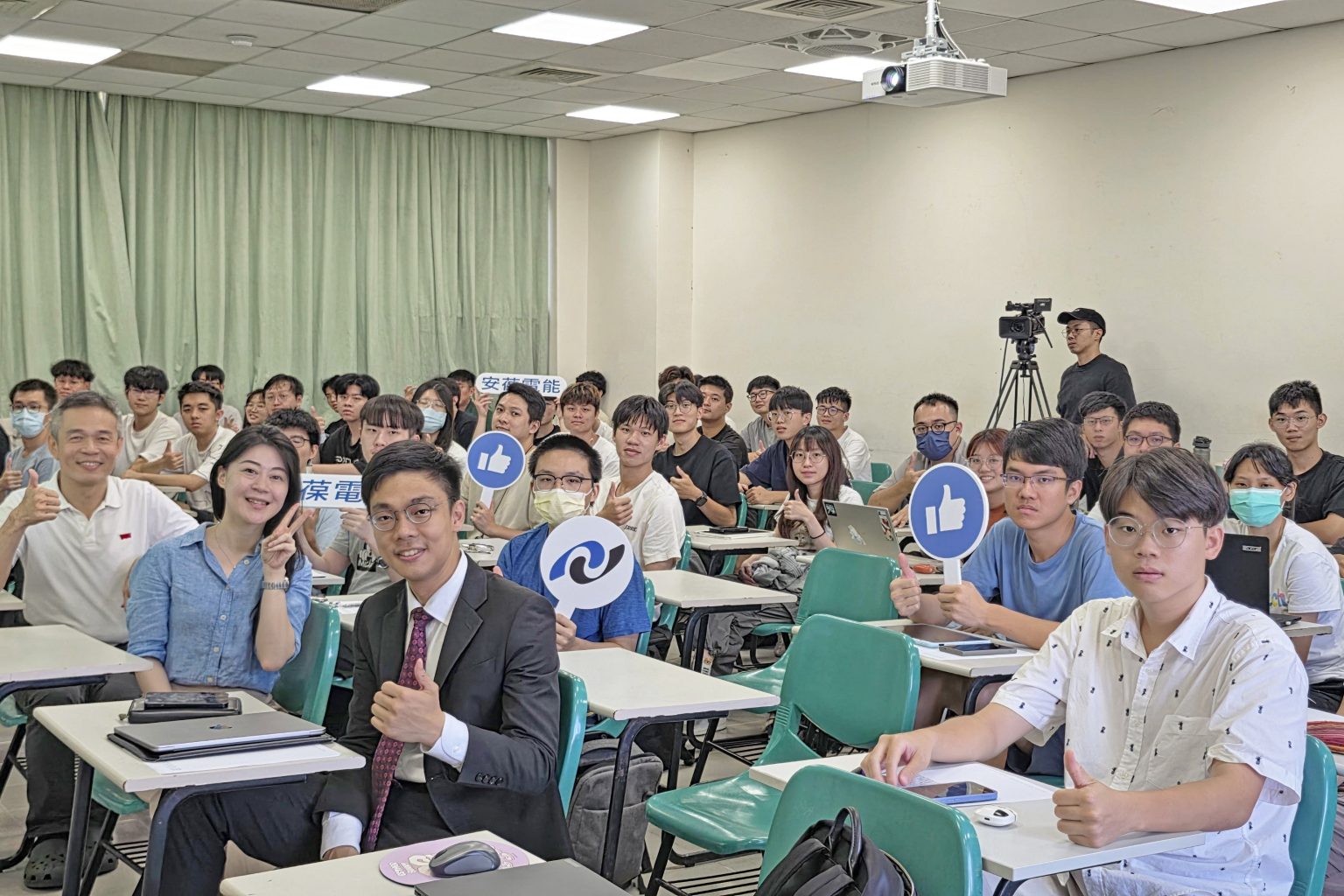
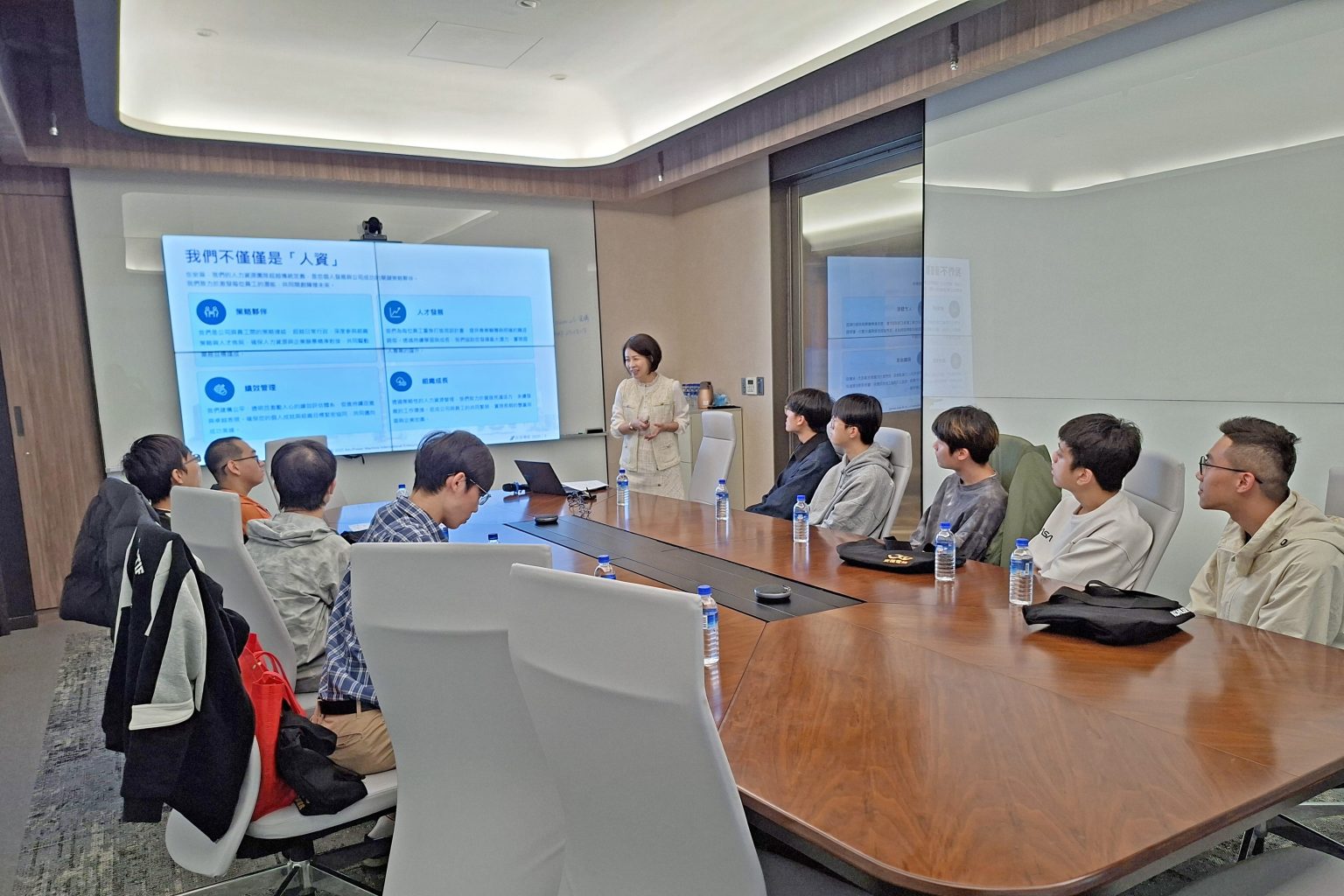
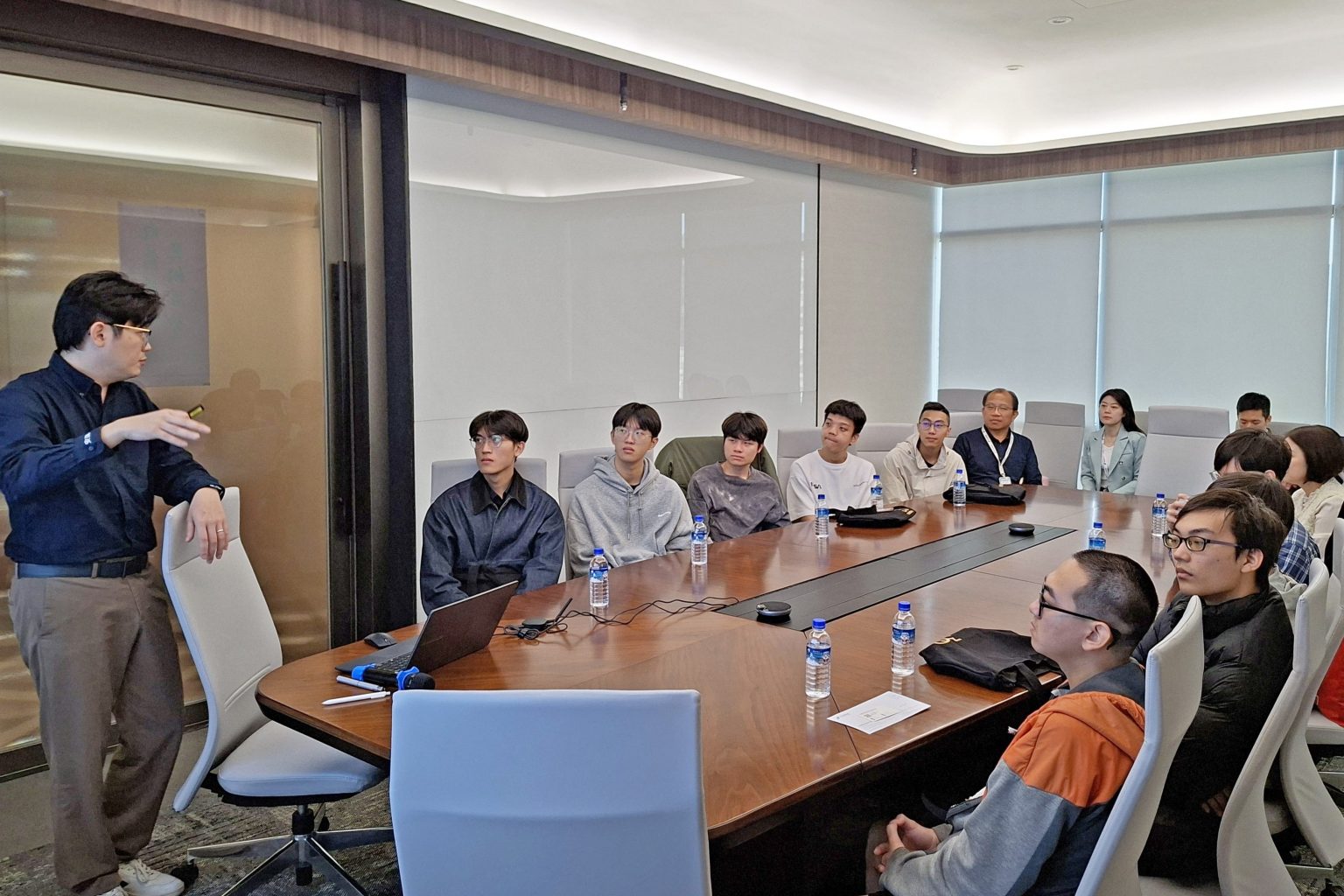
The forum was structured as a lecture series led by industry experts with their own field of responsibility, offering students clearer insight into how energy systems are planned, integrated, and sustained in practice.
Learning From Those Who Build the Systems
As part of the forum, AMPOWER contributed speakers drawn from across the organization, including senior management, technical leads, and engineers directly involved in project execution and business development.
This range allowed students to see how engineering work is shaped at different levels of responsibility, from system planning and coordination to on-site delivery.
Attention then shifted to the work that connects these systems. Engineering project management was discussed through practical realities: scheduling decisions, procurement timing, safety coordination, and site conditions that shape outcomes well before installation.
This industry-academia collaboration grew from a simple idea: experience is most useful when it is shared early. Giving students a closer view of how engineering work unfolds helps them approach the field with clearer expectations and steadier footing.
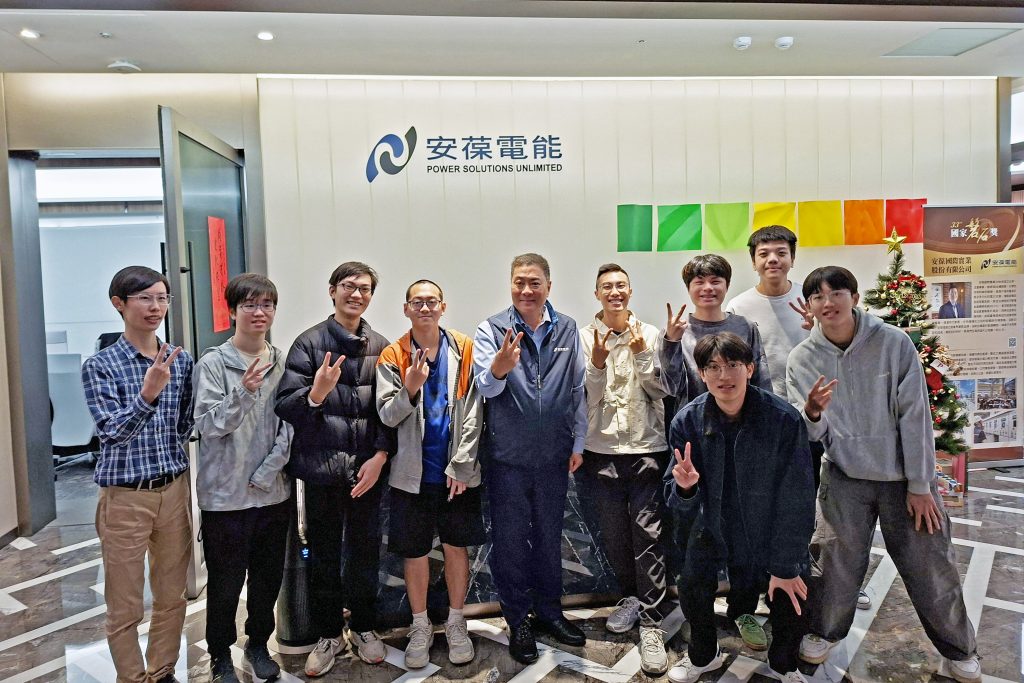
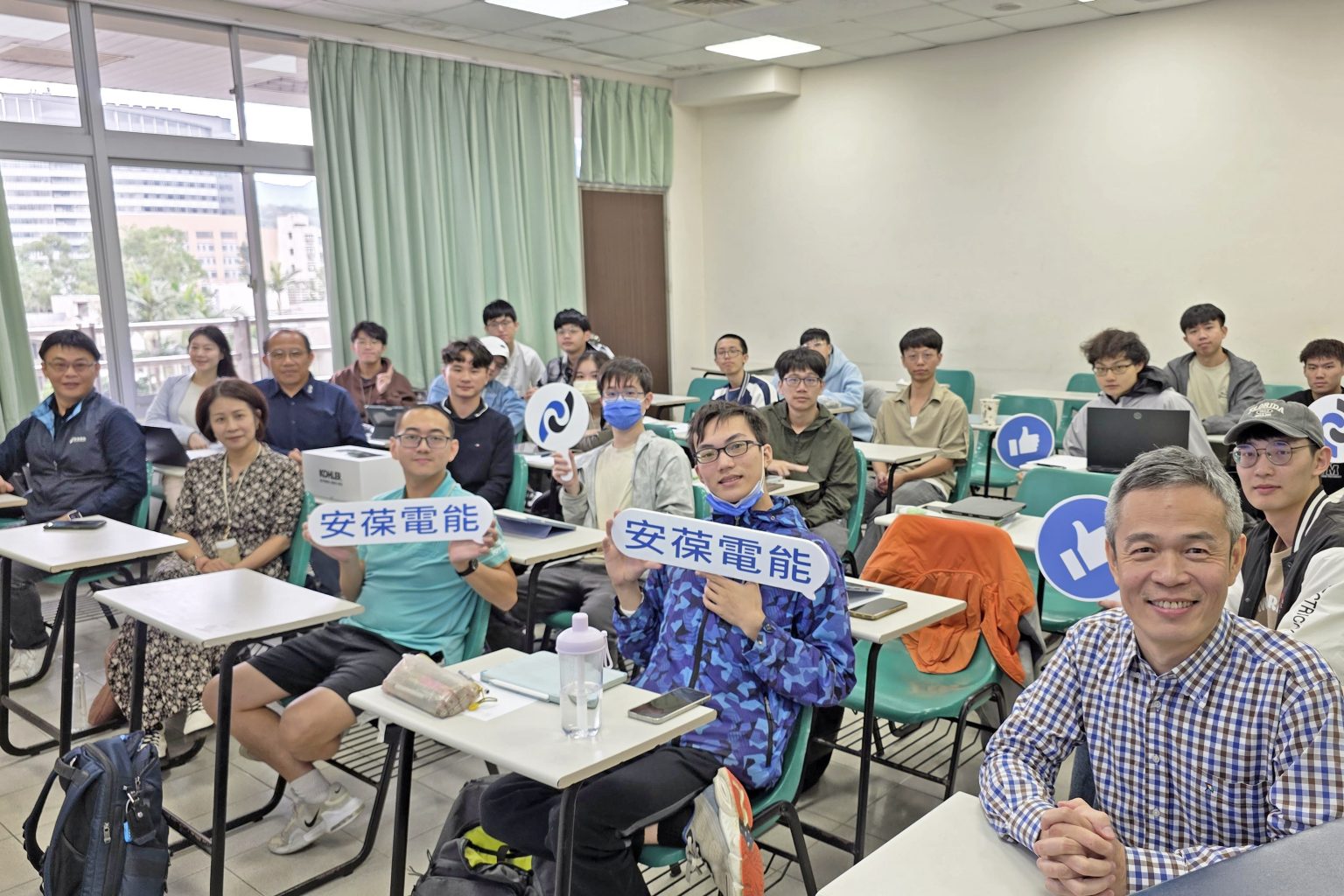
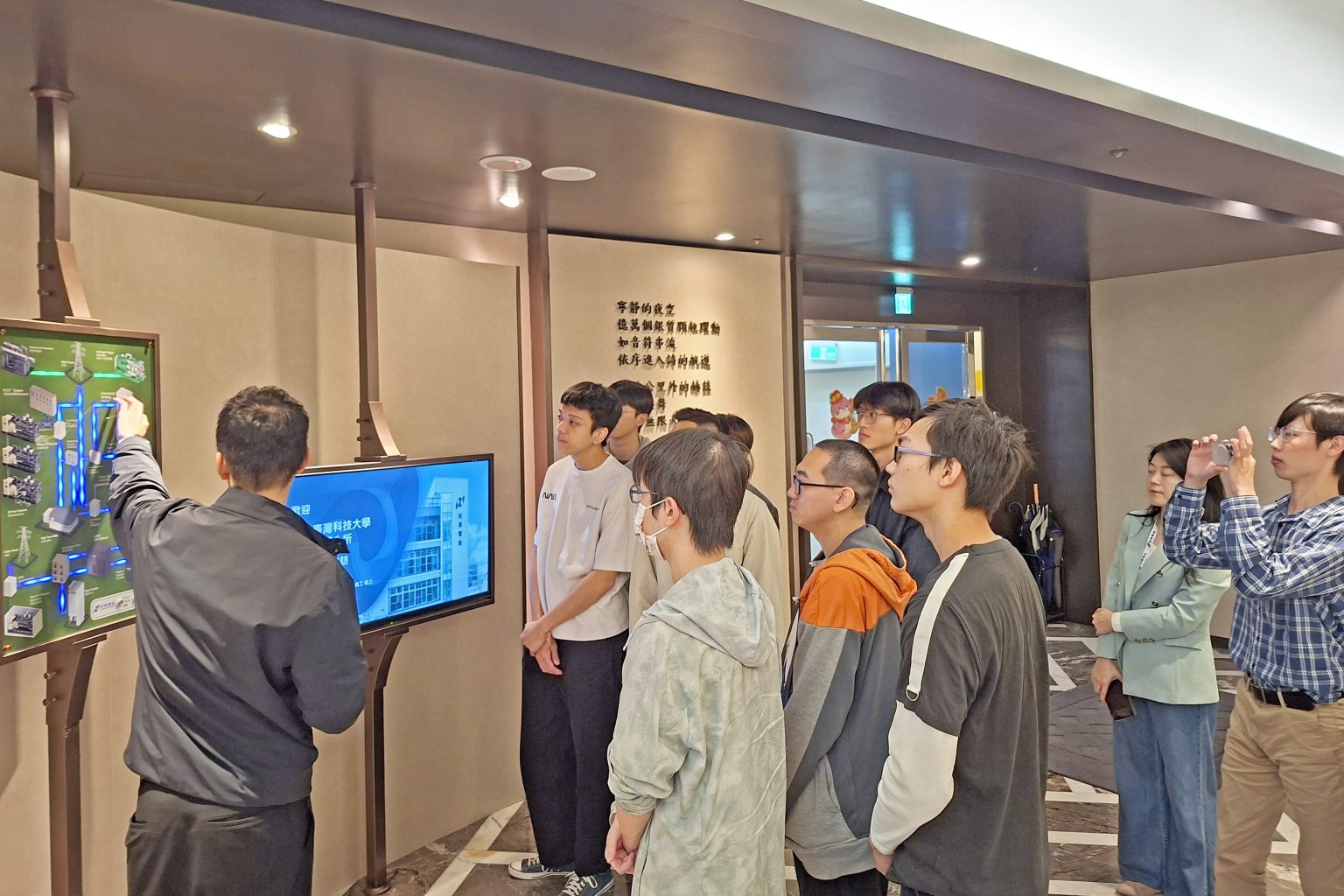
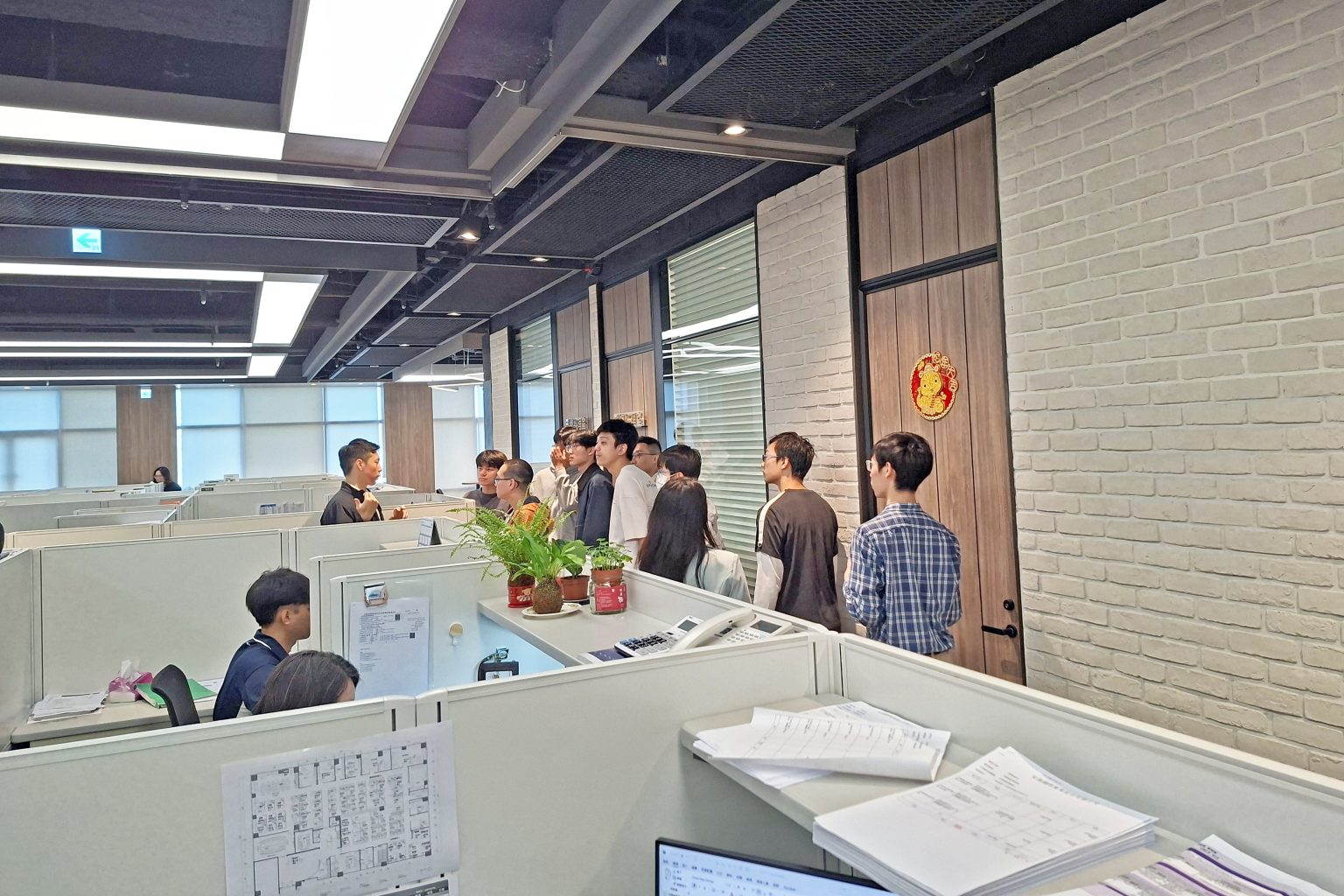
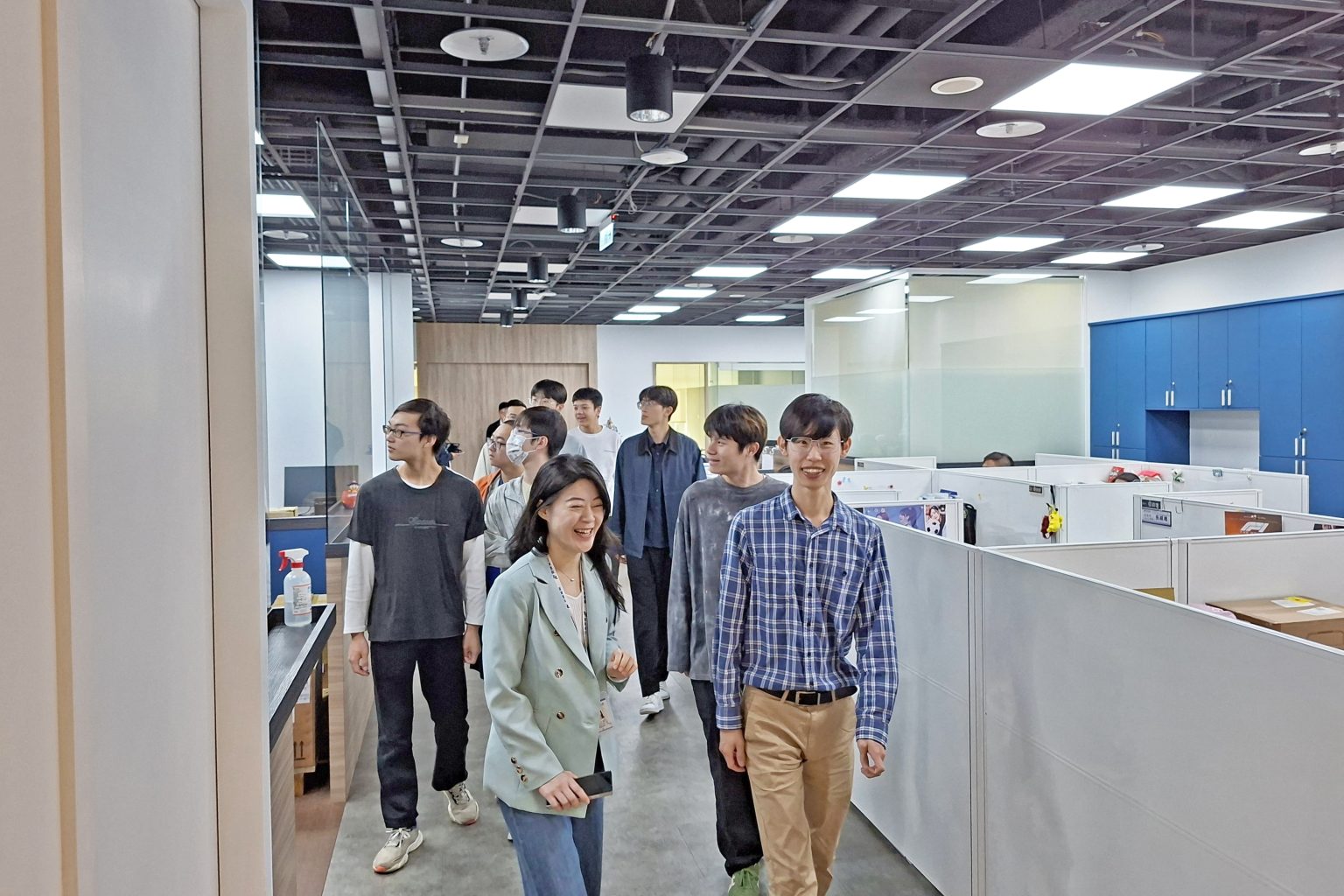
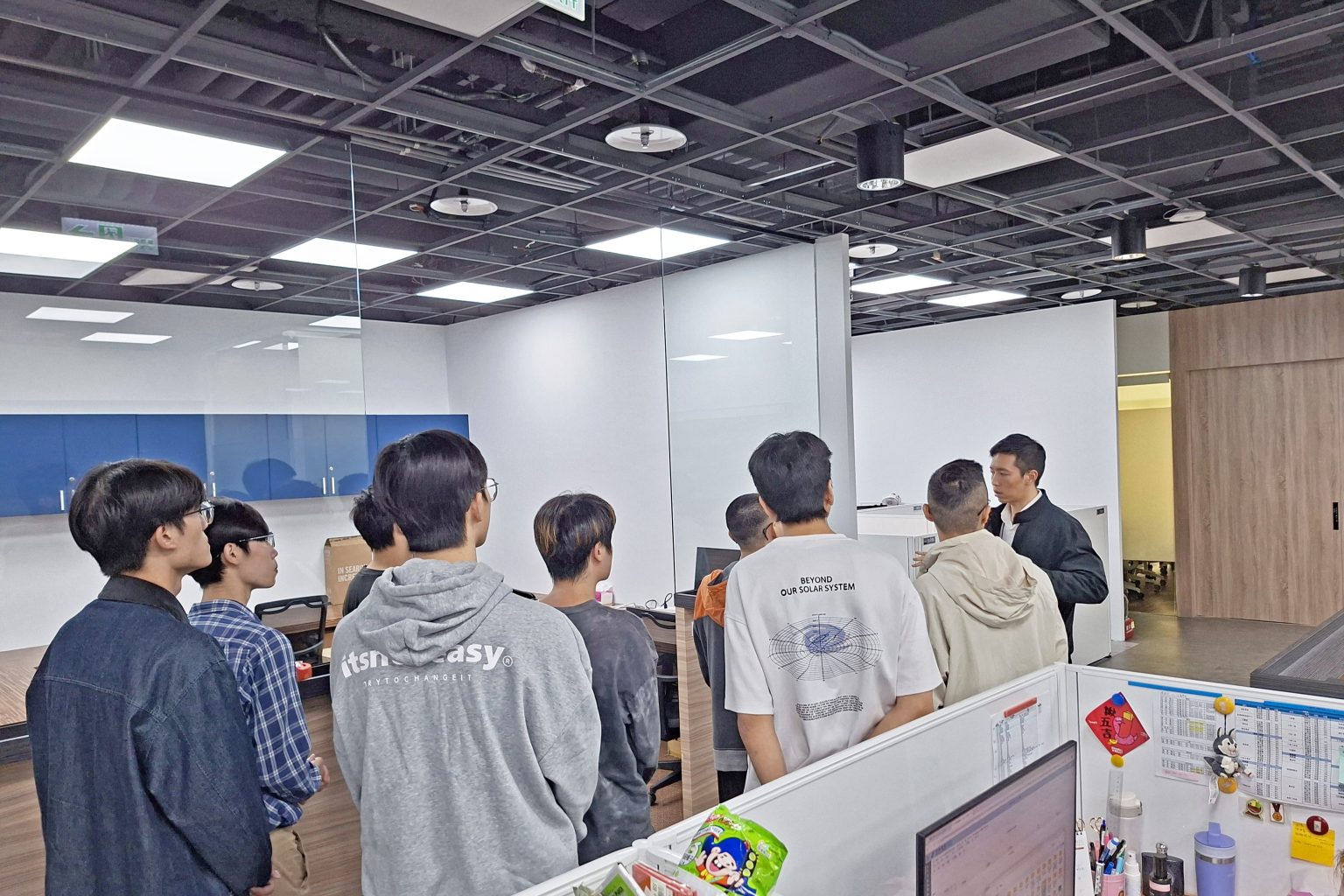
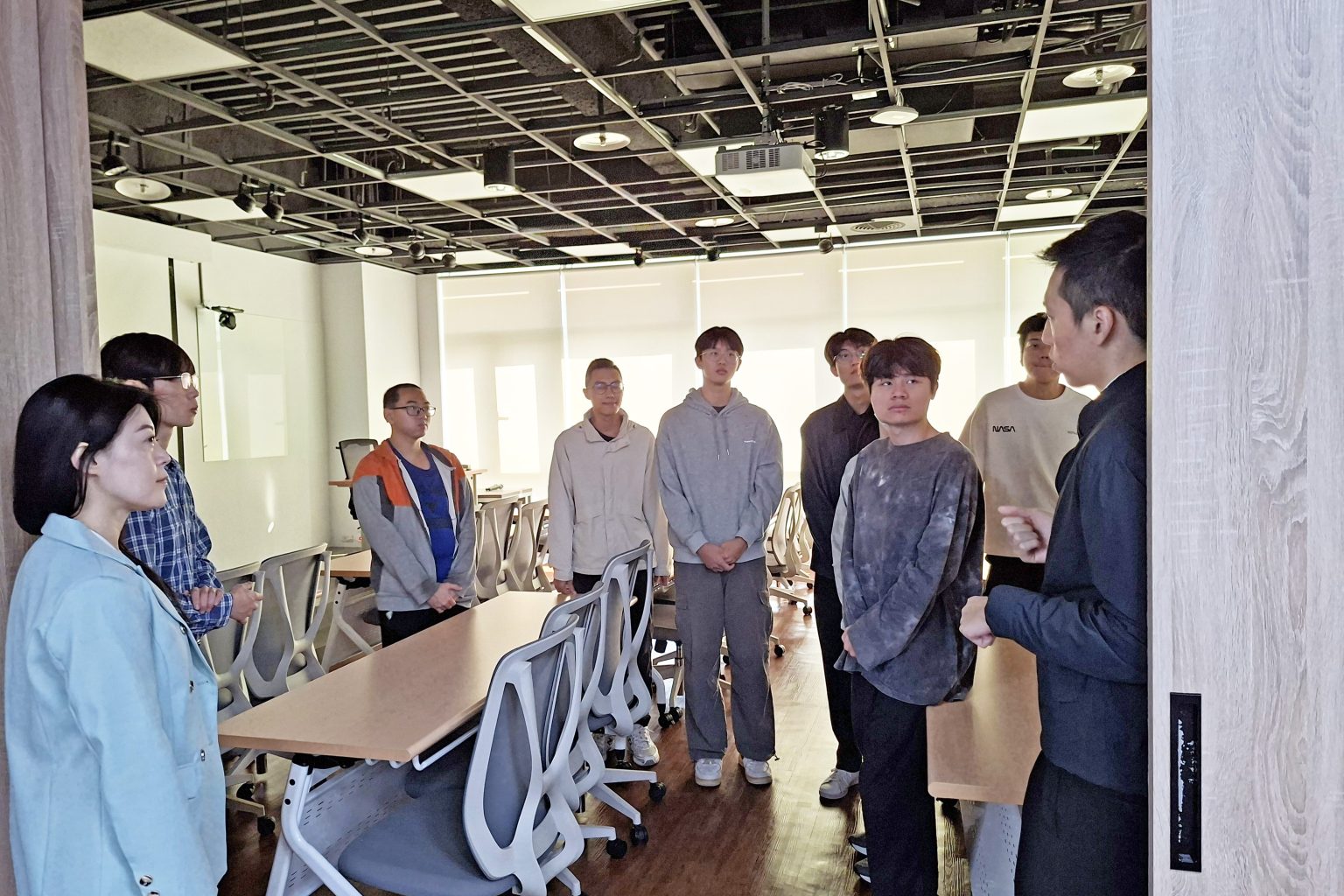
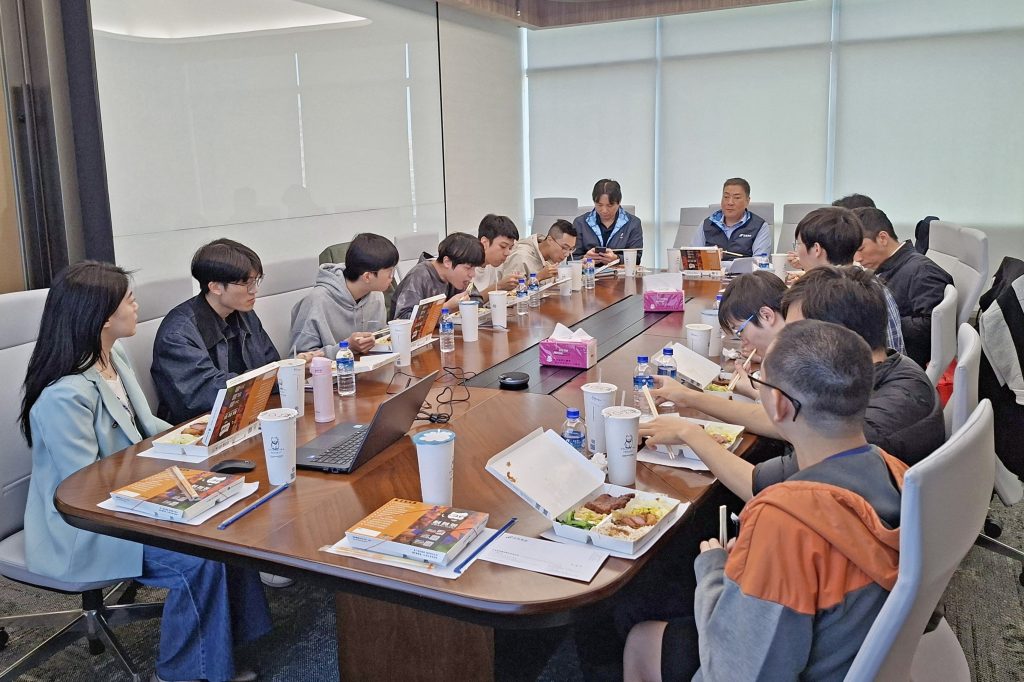
After the course concluded, we invited a group of students to visit the company, walking through the office environment and meeting colleagues across different departments. Along the way, teams shared what they do, how their work connects, and why it matters within the larger picture of energy systems.
The visit also included open conversations over lunch, with time for questions—including an informal Q&A with the company’s chairman. These moments helped students connect what they had learned in class with the everyday realities of working life.
That thinking continues through AMPOWER’s internship program. By stepping into active engineering environments, students are able to observe real projects, participate where appropriate, and learn through context and responsibility—well before their careers formally begin.
Carrying Experience Forward
Engineering advances through continuity—of knowledge, judgment, and responsibility. By staying engaged with education and early-career learning, AMPOWER shares experience in a way that can be taken forward—by the engineers who will carry it into the energy sector next.