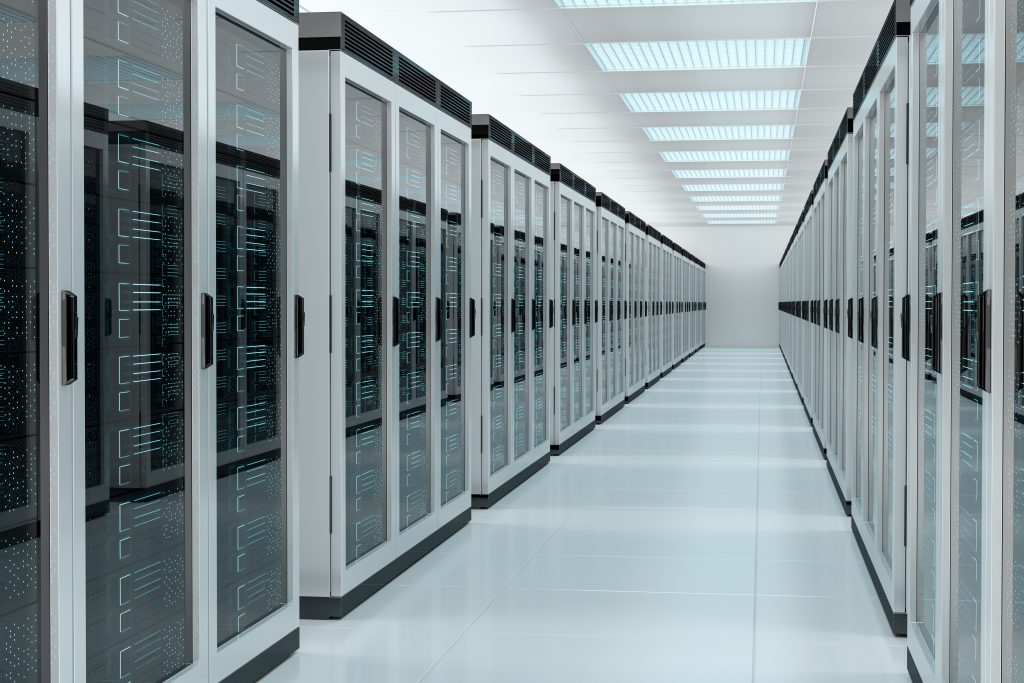
As AI systems scale, the limiting factor is not only chips or software. It is the quality of electricity that determines the condition for performance.
Data centers sustain high electrical loads around the clock. Semiconductor fabrication operates within tight voltage and frequency tolerances. In these environments, stable power supports process continuity, equipment protection, and data transmission reliability.
The mainstream discussion in Taiwan has started using a direct phrase “electricity equals computing power,” reflecting a simple reality: digital capacity depends on power that stays steady as demand rises. Globally, the International Energy Agency also points to data centers and industrial electrification as key drivers of electricity demand growth in the coming years.
Why the Grid Can’t Sprint
Power infrastructure can be expanded, but it follows structured planning, construction, and commissioning cycles. New loads often arrive faster: additional server halls, higher cooling and power demand, as well as new production capacity.
Reliability therefore extends beyond supply contracts. It includes measurable engineering parameters: disturbance ride-through capability, transition time during backup activation, and clean system recovery. These details shape production consistency and operational confidence.
Continuity is Engineered
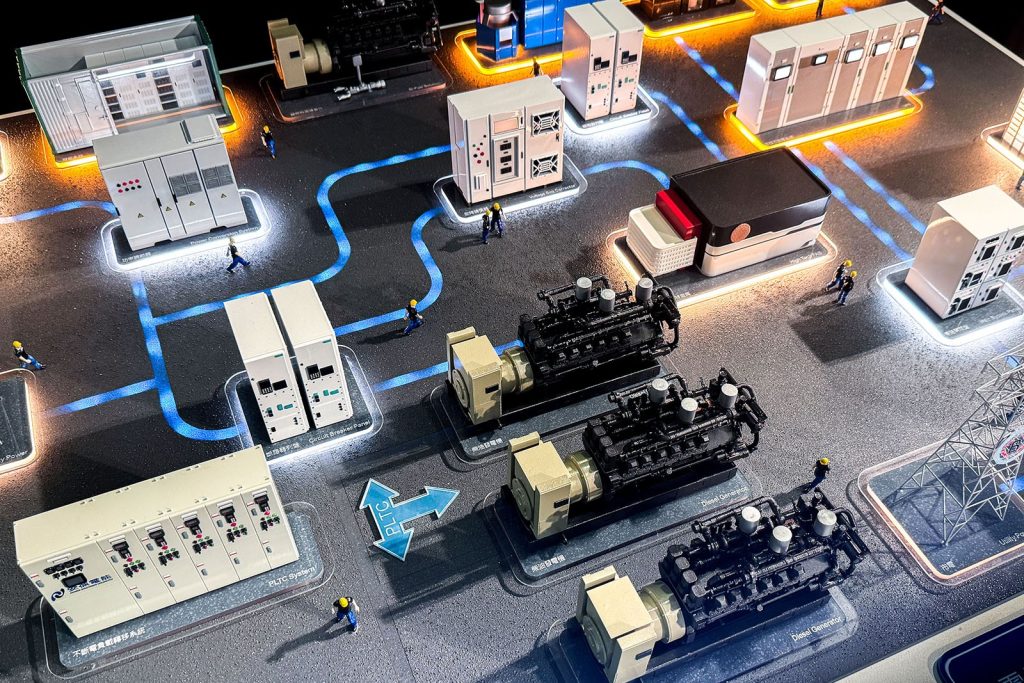
Operational continuity begins with the design and integration of the power system architecture. Primary supply, fast-response backup generation, uninterruptible power systems, battery storage, distributed generation, and protection mechanisms must operate as a coordinated whole. Design and commissioning discipline matter as much as the equipment itself.
In Taiwan, AMPOWER has delivered EPC turnkey power systems for several data centers certified to Uptime Institute Tier III and Tier IV standards. These facilities require concurrent maintainability or fault tolerance, independent power paths, defined redundancy, and controlled commissioning under live operating conditions. Power architecture in such environments must function as an integrated system.
In a landscape where computing and operating performance rests on electrical stability, continuity remains an engineering responsibility. For enterprises operating at scale, the pace of growth ultimately follows the pace of power reliability.