AMPOWER will share perspectives on building energy systems and circular energy integration at the upcoming New Building Technology Conference on March 27 in Taipei.
The Energy Pressure on Modern Buildings
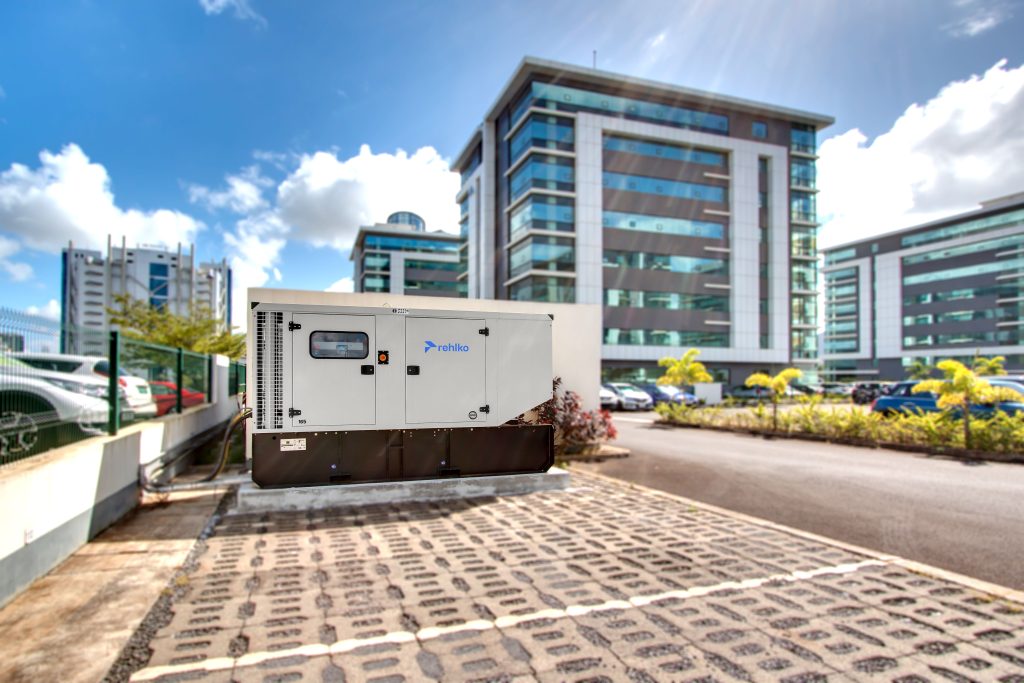
Data centers, semiconductor plants, and hospitals share one characteristic: their operations rarely pause. Equipment runs continuously, and electricity must follow the same rhythm. In these environments, power stability directly impacts overall operations.
Across commercial and residential buildings, safety systems—from fire protection to emergency lighting—also rely on a stable power supply to function properly.
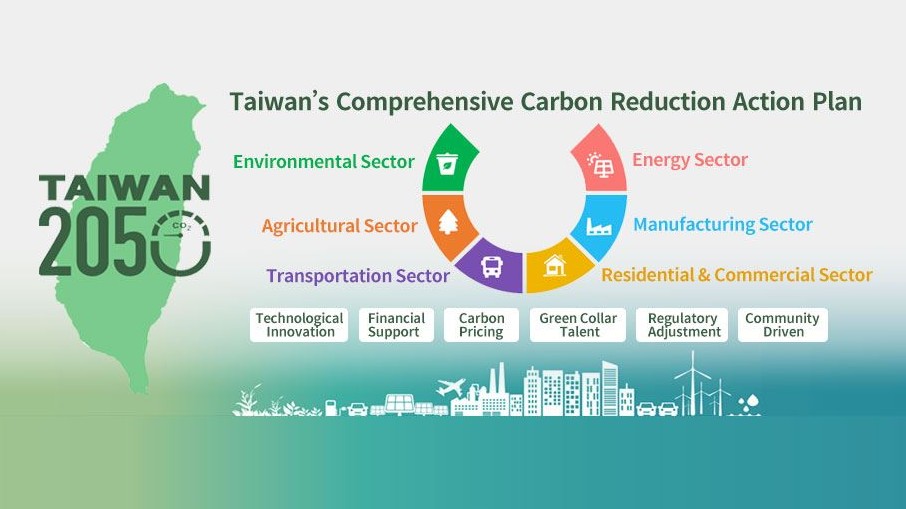
As AI infrastructure grows and industrial production becomes more energy-intensive, many buildings are drawing more power than they were originally designed for. At the same time, Taiwan’s 2050 net-zero target is encouraging designers and engineers to reevaluate how energy moves through these environments, aiming to improve energy efficiency and incorporate renewables.
Questions once left to utilities are now being addressed within the building itself. Energy systems have moved beyond equipment rooms to become an integral part of architectural planning. Whether in industrial facilities or design-led spaces, energy use now shapes the dialogue between designers and engineers.
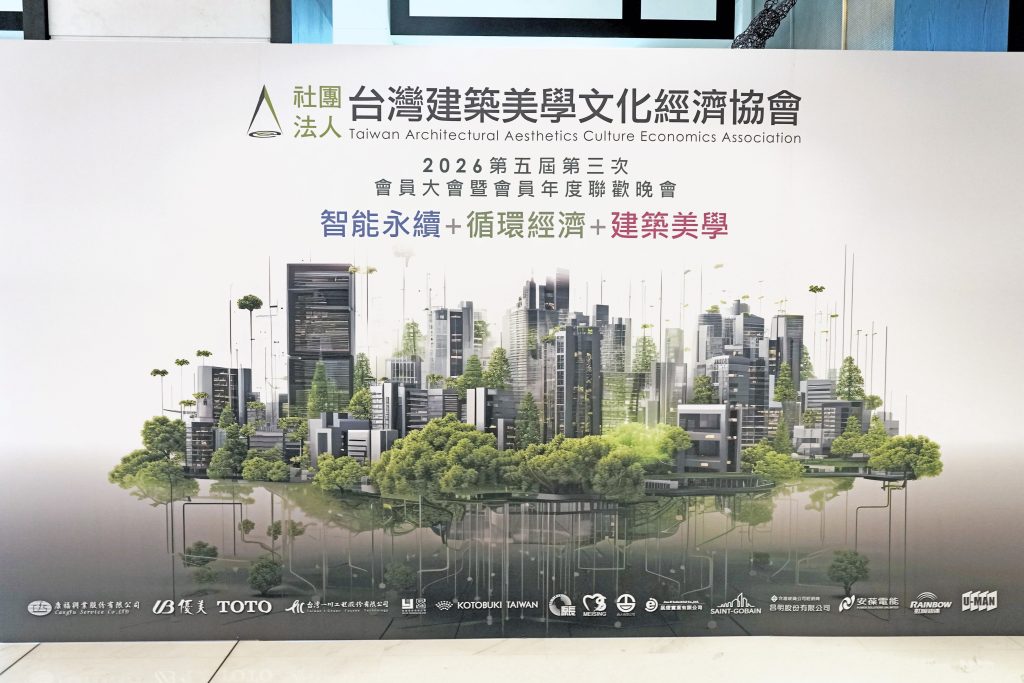
These topics will be part of the discussion on March 27 in Taipei, when the Taiwan Architectural Aesthetics Cultural & Economic Association hosts the 15th New Building Technology Conference, bringing together professionals from architecture, materials science, and environmental technology to exchange practical responses.
Rethinking Building Energy Systems
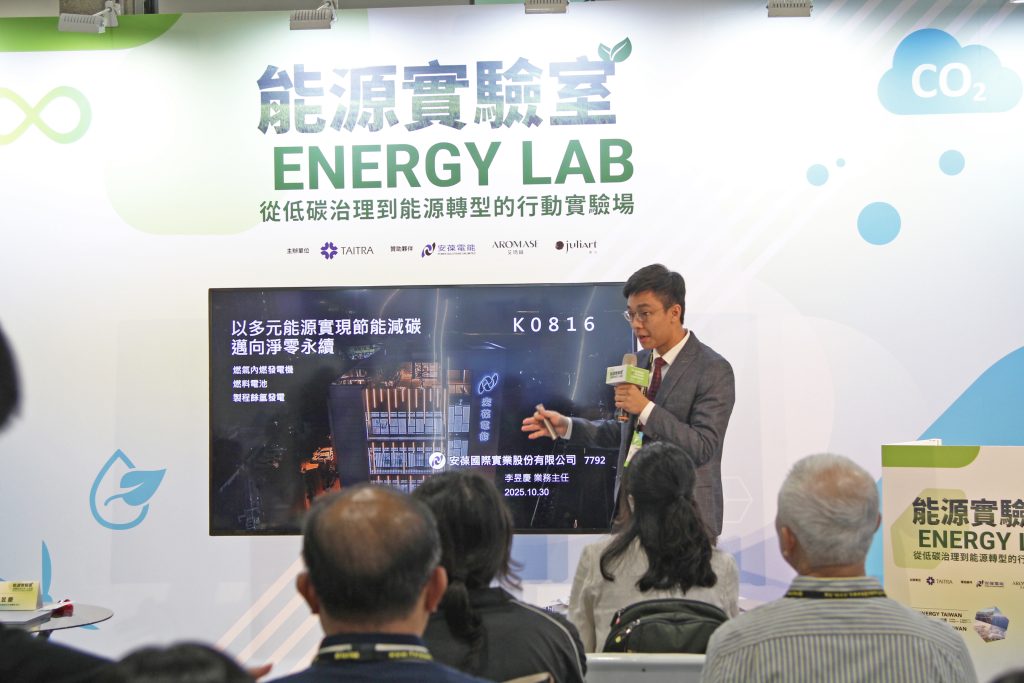
At the upcoming conference, Andrew Lee, Senior Sales Engineer at AMPOWER, will share perspectives from projects across sectors where energy reliability and efficiency are closely tied to building operations.
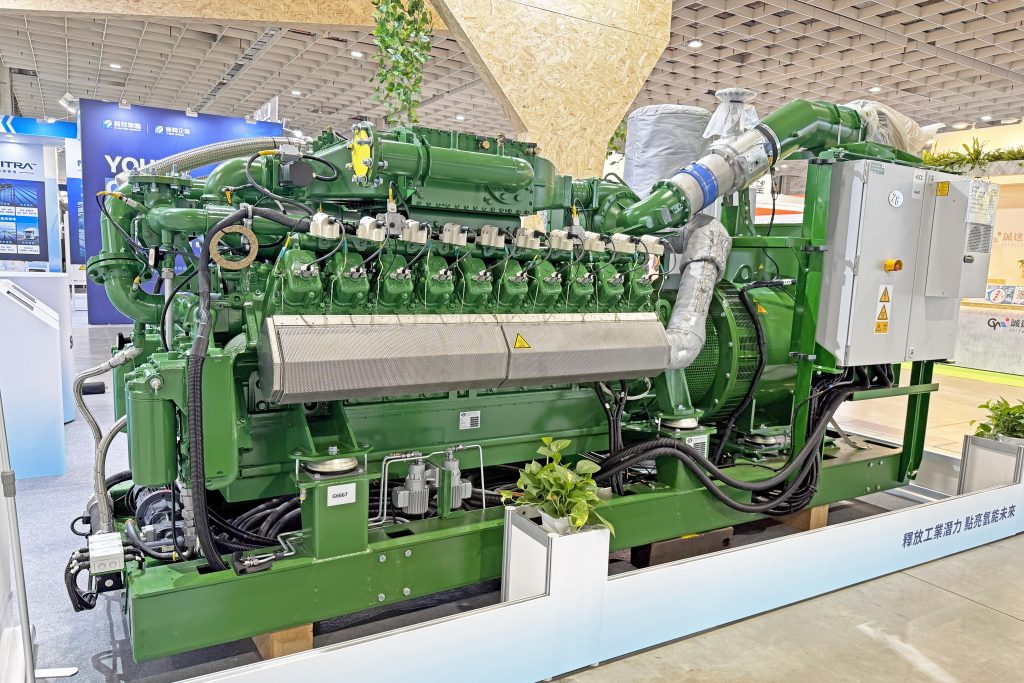
One area of focus is Combined Heat and Power System (CHP). During electricity generation, a large portion of energy normally leaves the system as heat. CHP systems recover that heat and convert it into useful applications such as air conditioning, hot water, or steam.
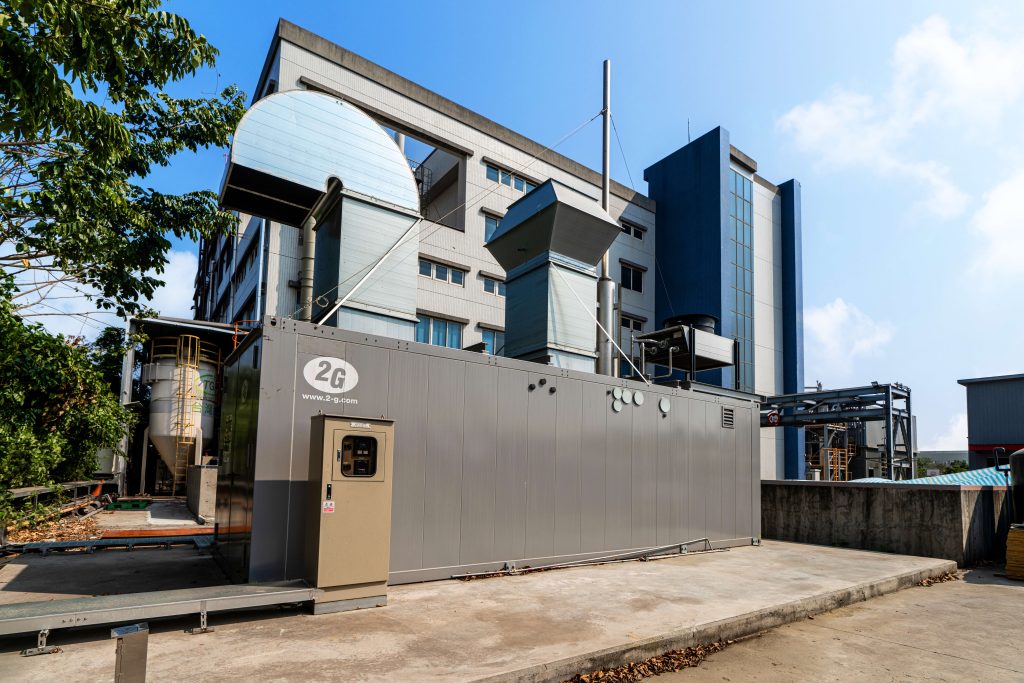
In facilities with continuous energy demand—including hospitals, industrial sites, and data centers—this approach can significantly improve overall efficiency. Across building types, CHP system configuration is increasingly considered in architectural design and engineering planning.
The session will also look at how waste resources can become energy inputs. Byproduct hydrogen from industrial processes or biogas produced during wastewater treatment can be converted into electricity, forming localized energy cycles that reduce reliance on external supply.
From Infrastructure to Architecture
Another topic of AMPOWER’s session is microgrid technology, where buildings combine on-site power generation, energy storage, and intelligent load management to operate with greater flexibility. Through peak shaving and load balancing, microgrids help reduce pressure on the public grid.
Andrew Lee will also discuss how these approaches are beginning to appear in projects where building operations depend heavily on stable and efficient power systems.
The examples reflect a gradual shift: the systems that power buildings are starting to shape how those buildings are designed.
Professionals across architecture, engineering, and energy infrastructure are invited to join the discussion as AMPOWER shares perspectives on how energy systems are increasingly shaping the buildings they support.